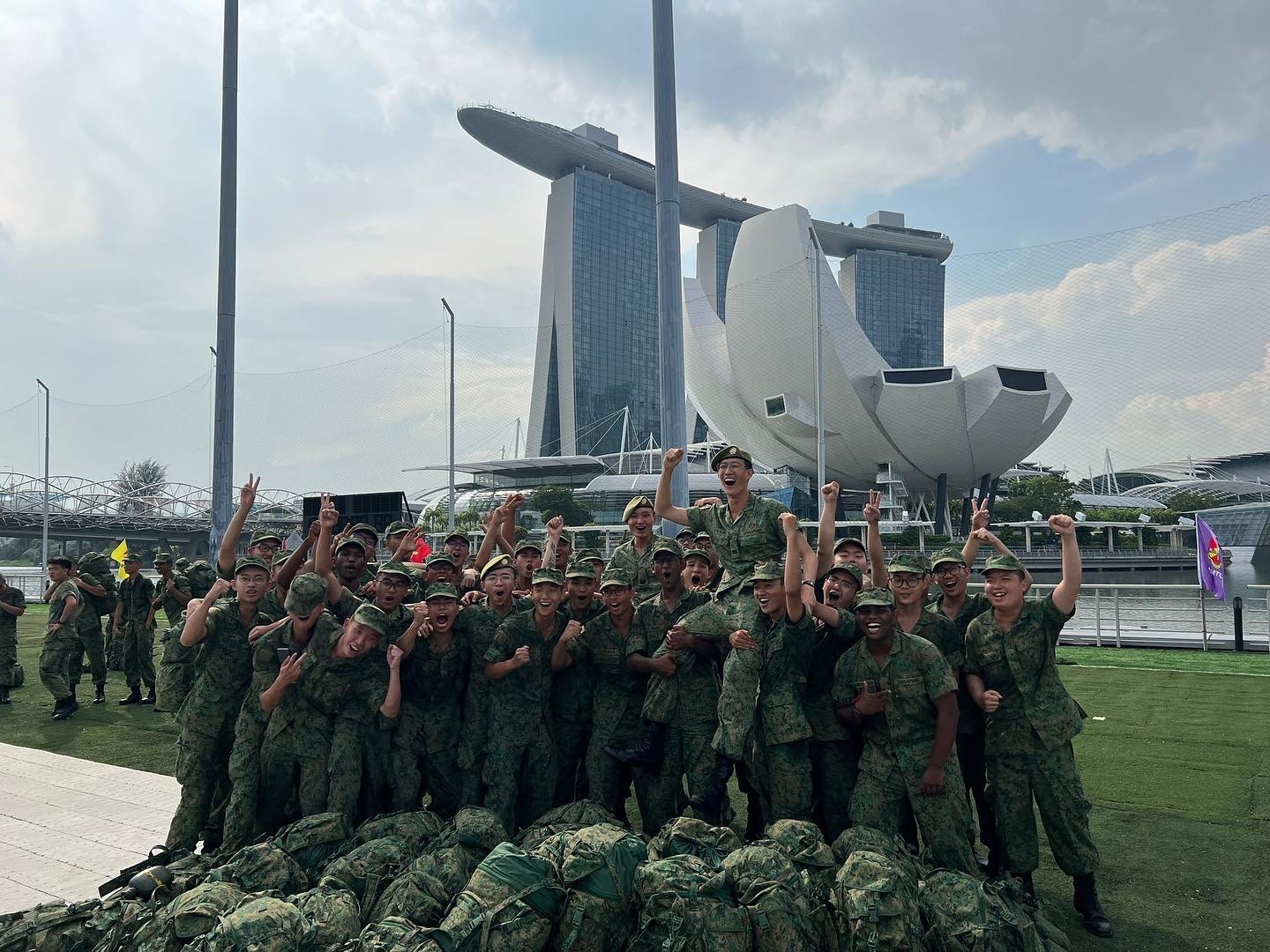
Recruit · Basic Military Training
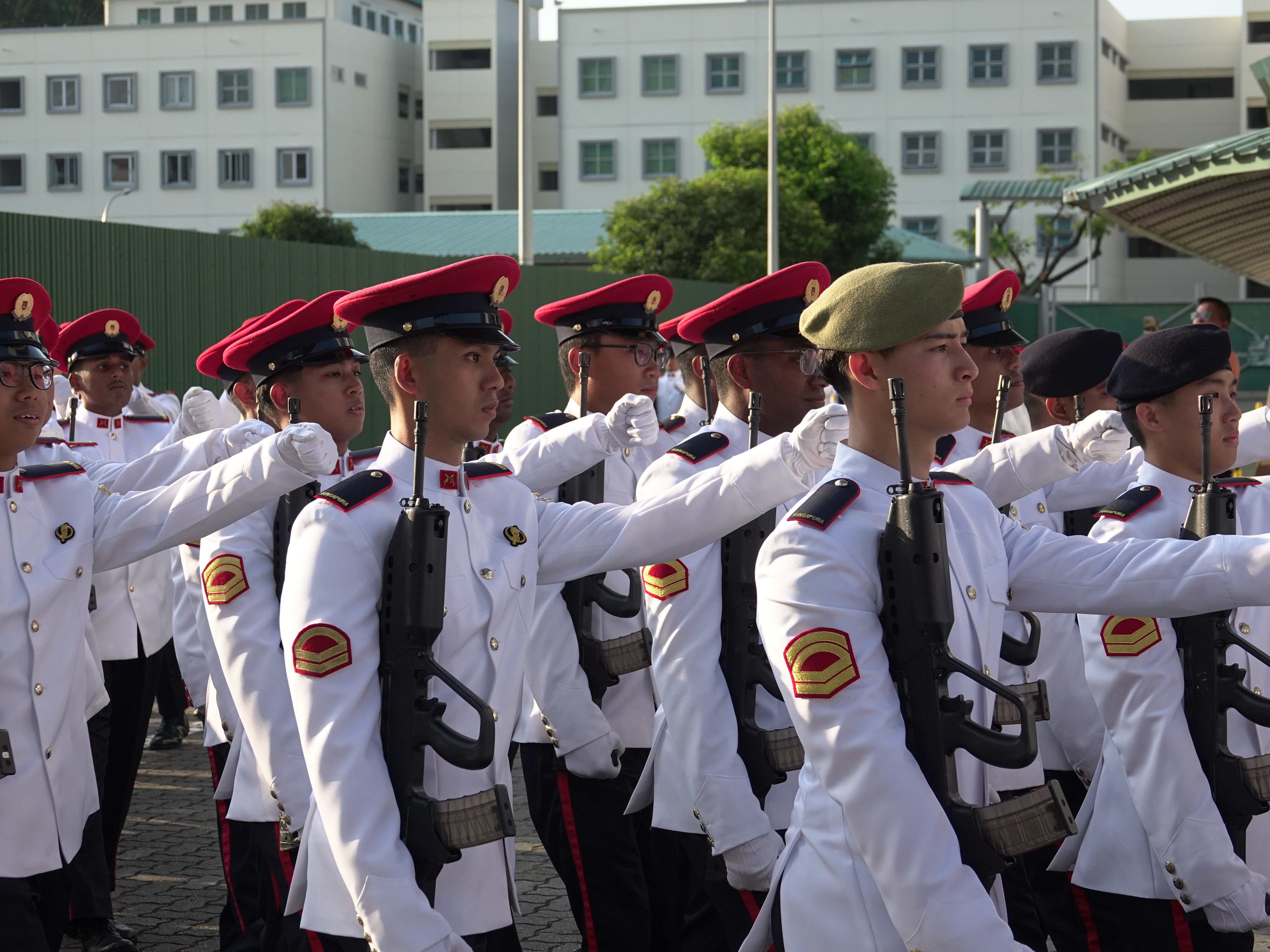
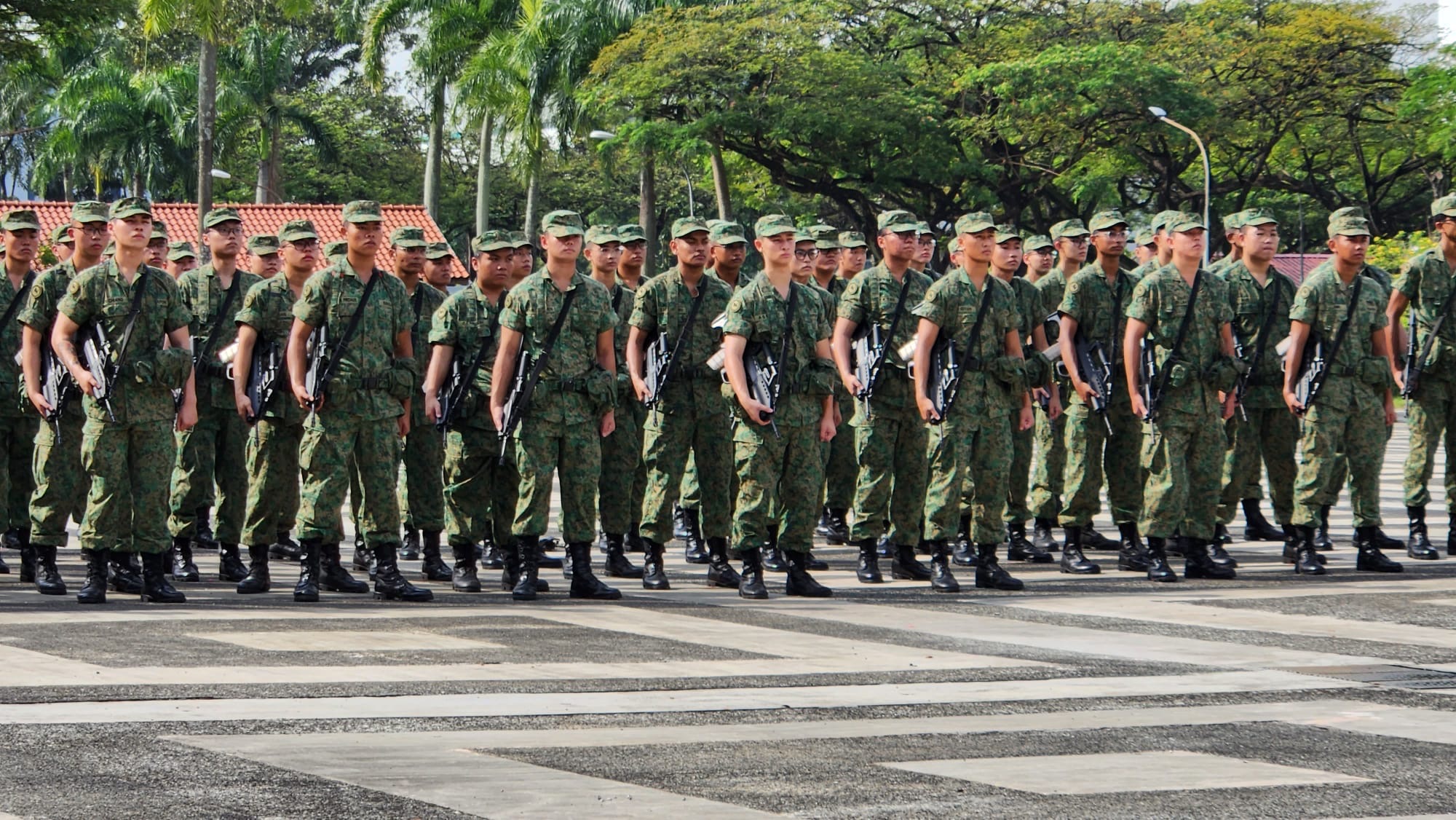
Foundational soldiering built on physical resilience, repetition and responsibility to the people beside you. This was where discipline stopped being an idea and became a daily practice.
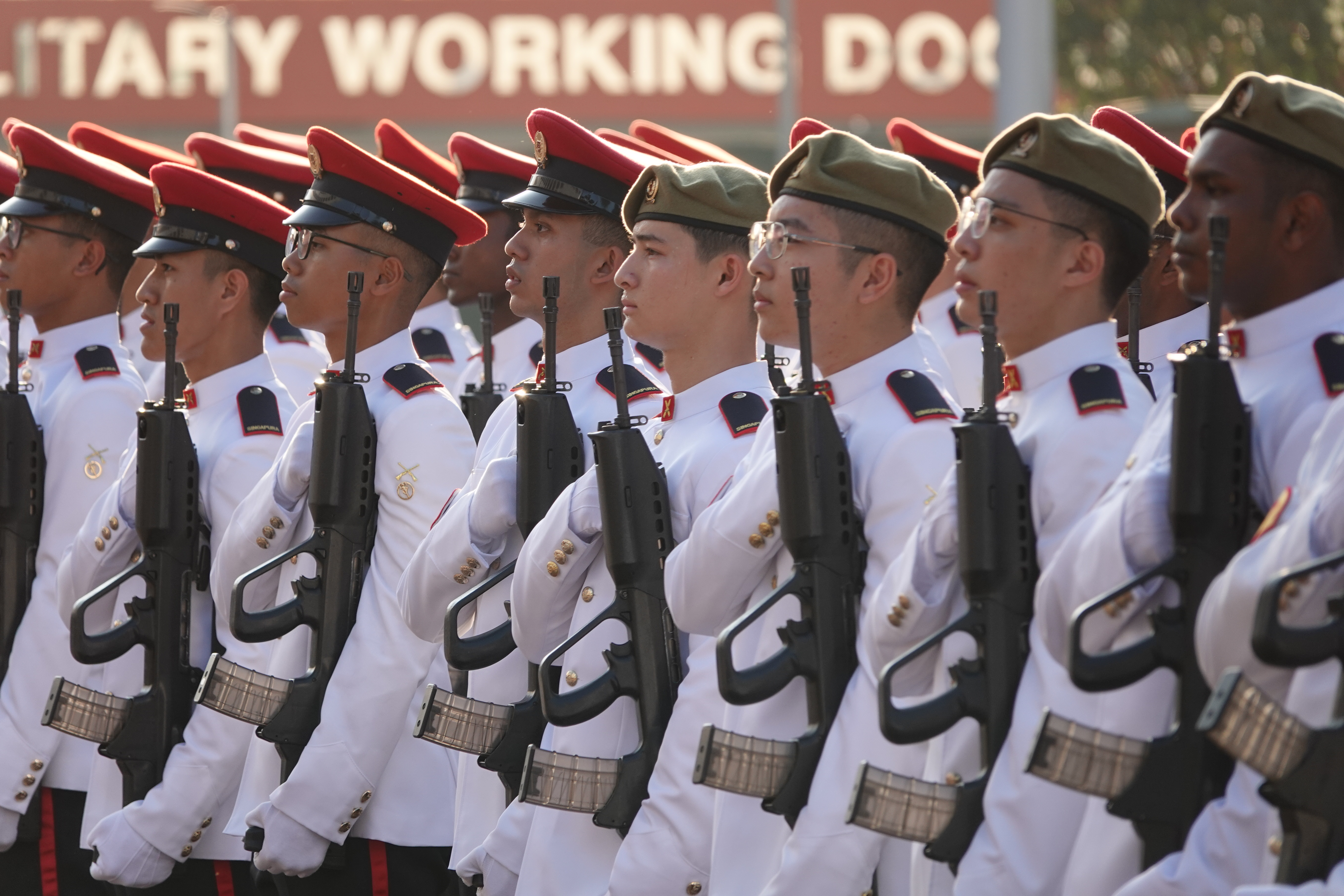
Chapter 02 · Singapore · 2022—2024
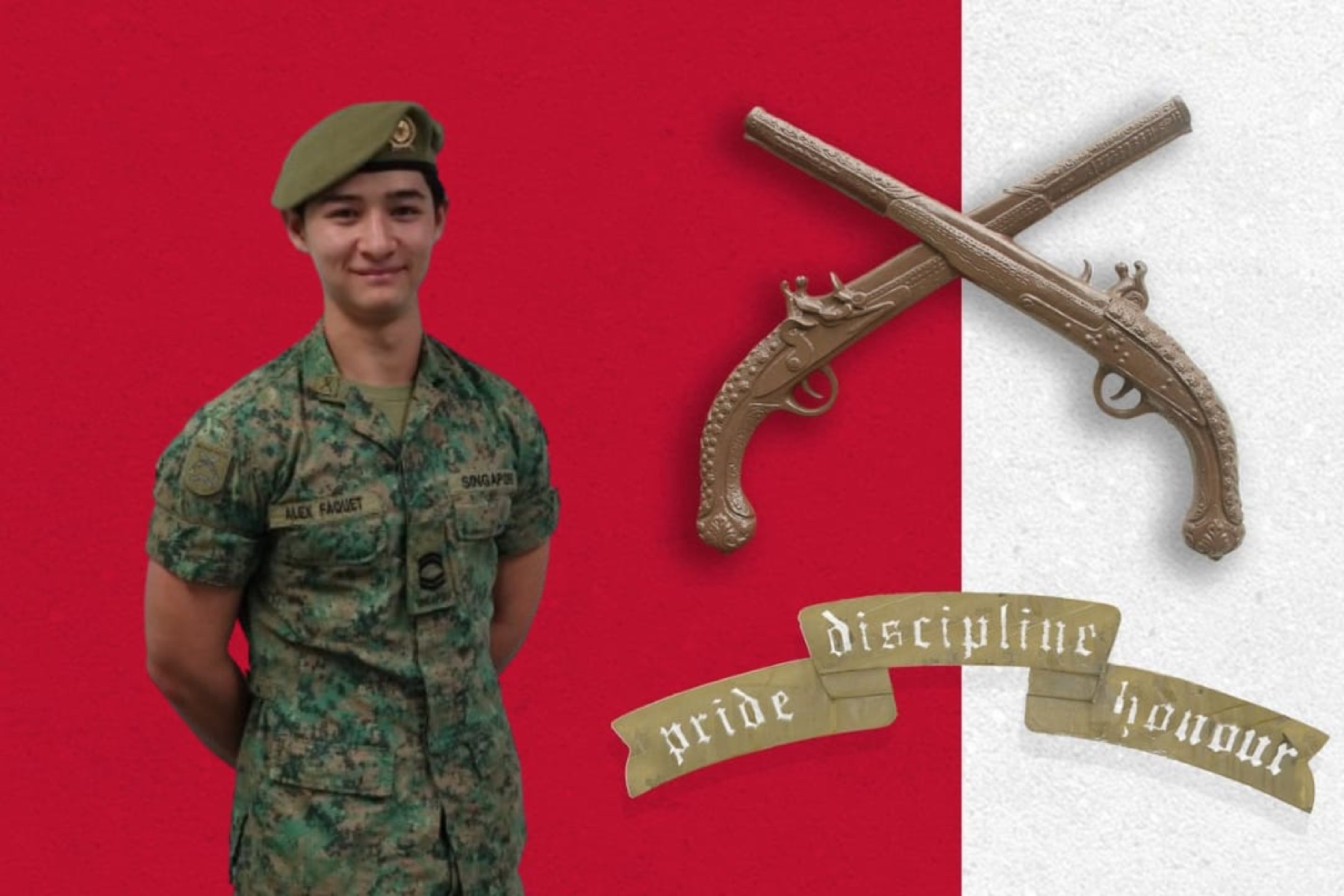
Two years in the Singapore Armed Forces — from recruit to Head Instructor in the Military Working Dog Unit.
The progression
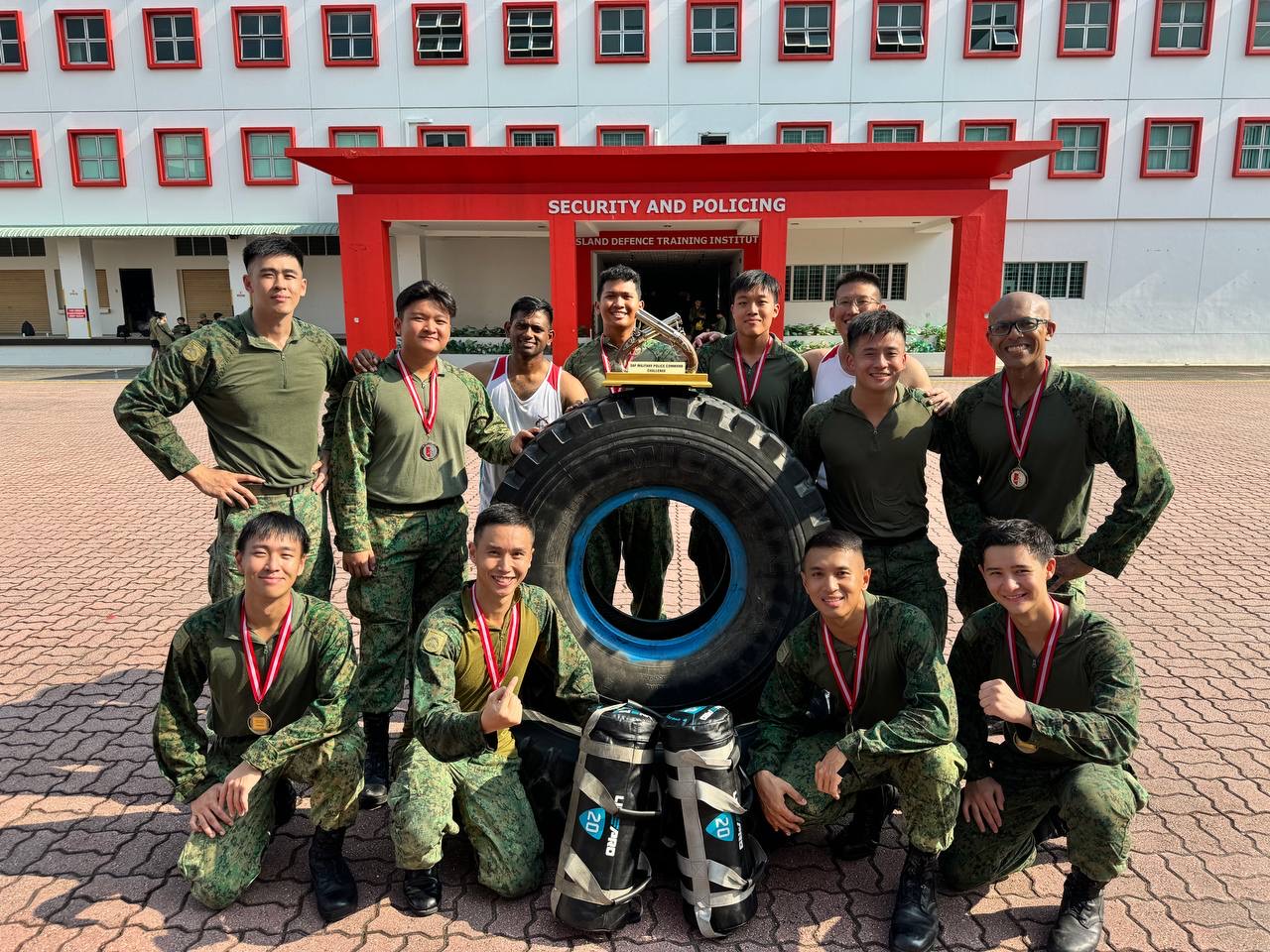
The promotions mattered less than what they represented: being trusted with more people, more complexity and less room for error.
Foundational soldiering built on physical resilience, repetition and responsibility to the people beside you. This was where discipline stopped being an idea and became a daily practice.
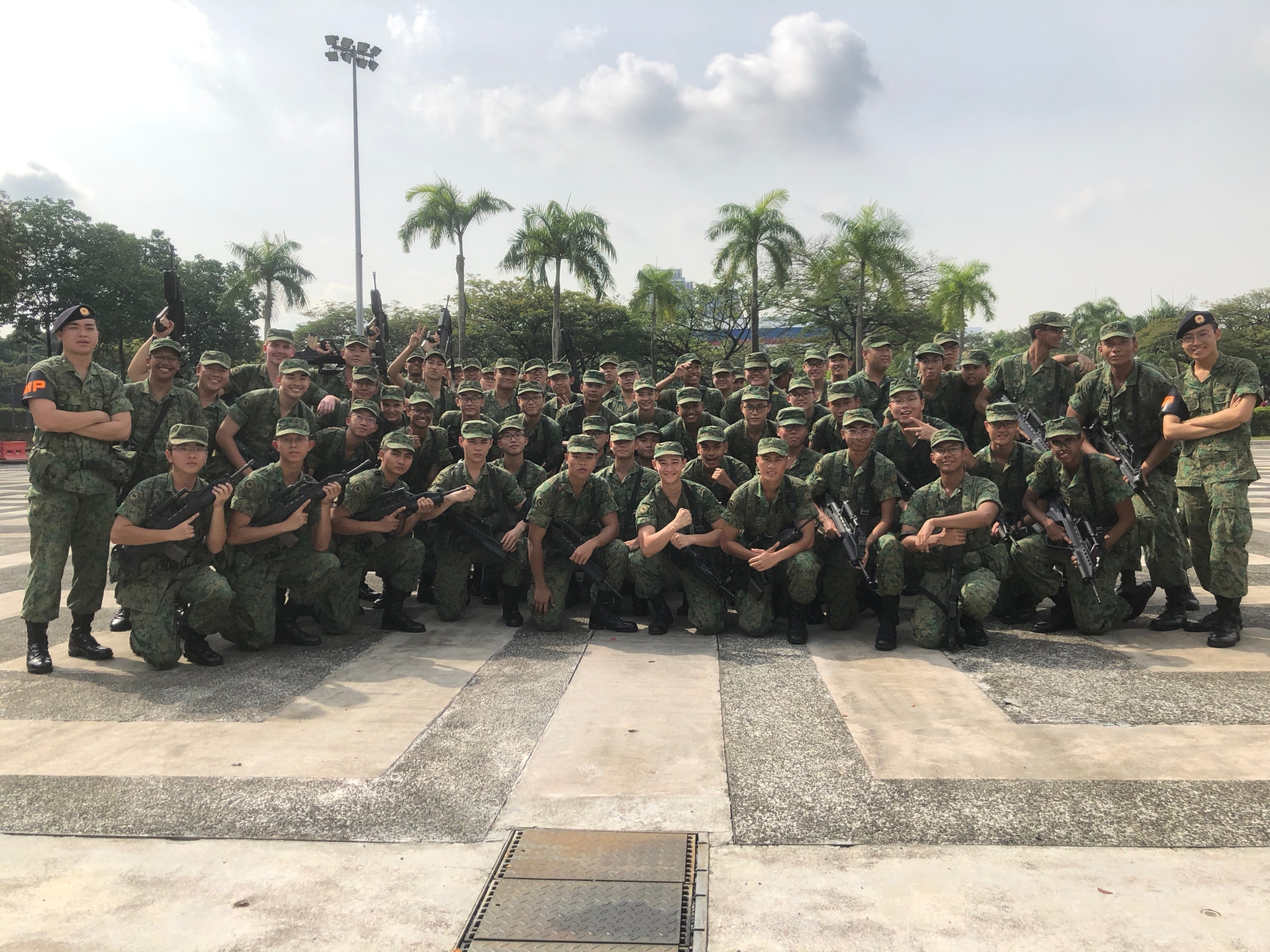
Urban combat, CBR defence and live-fire exercises demanded fast adaptation inside a system where detail, communication and trust were inseparable from safety.
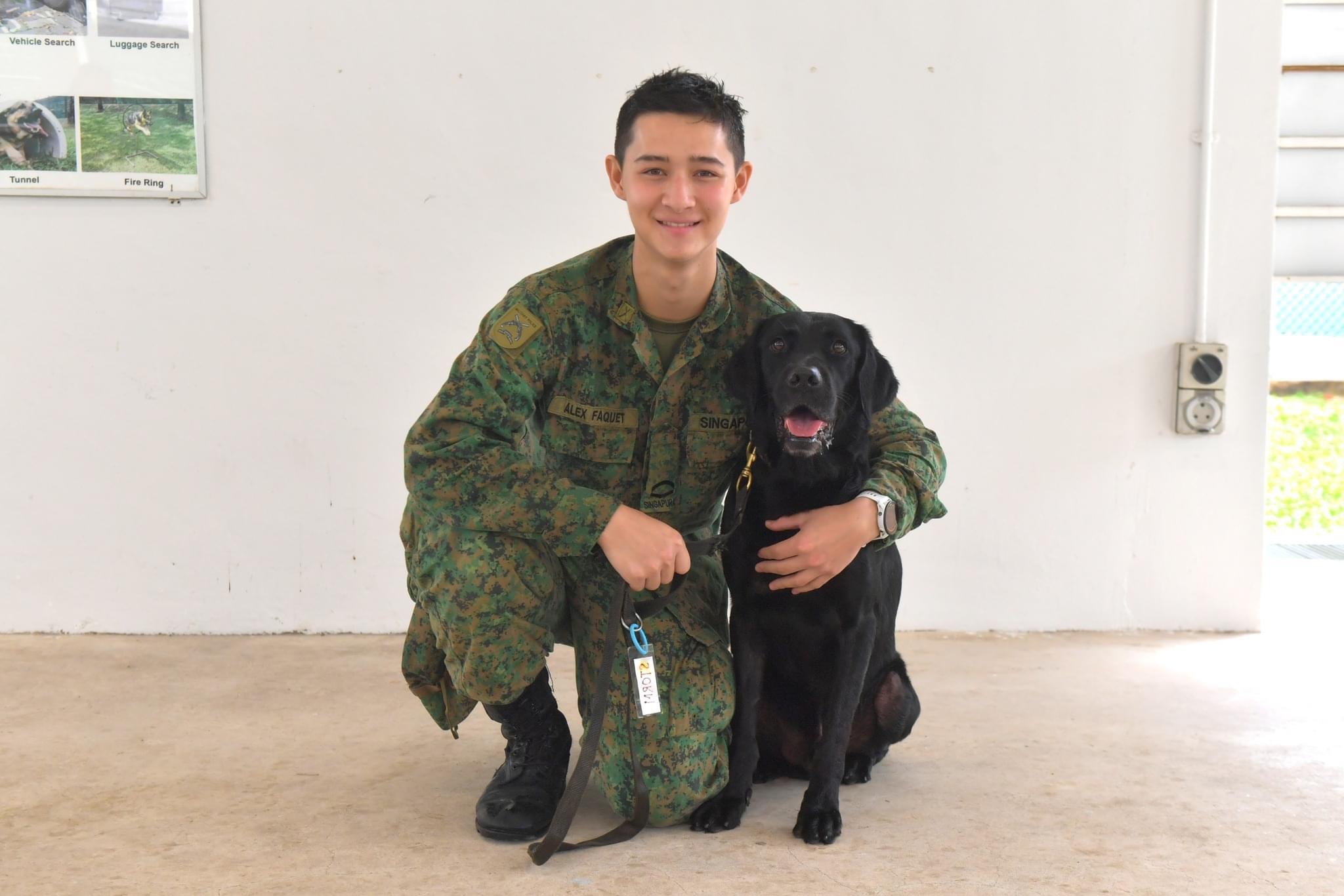
Working with military dogs made consistency visible. Trust could not be rushed or performed; it had to be earned through clear signals, patient repetition and reliable care.
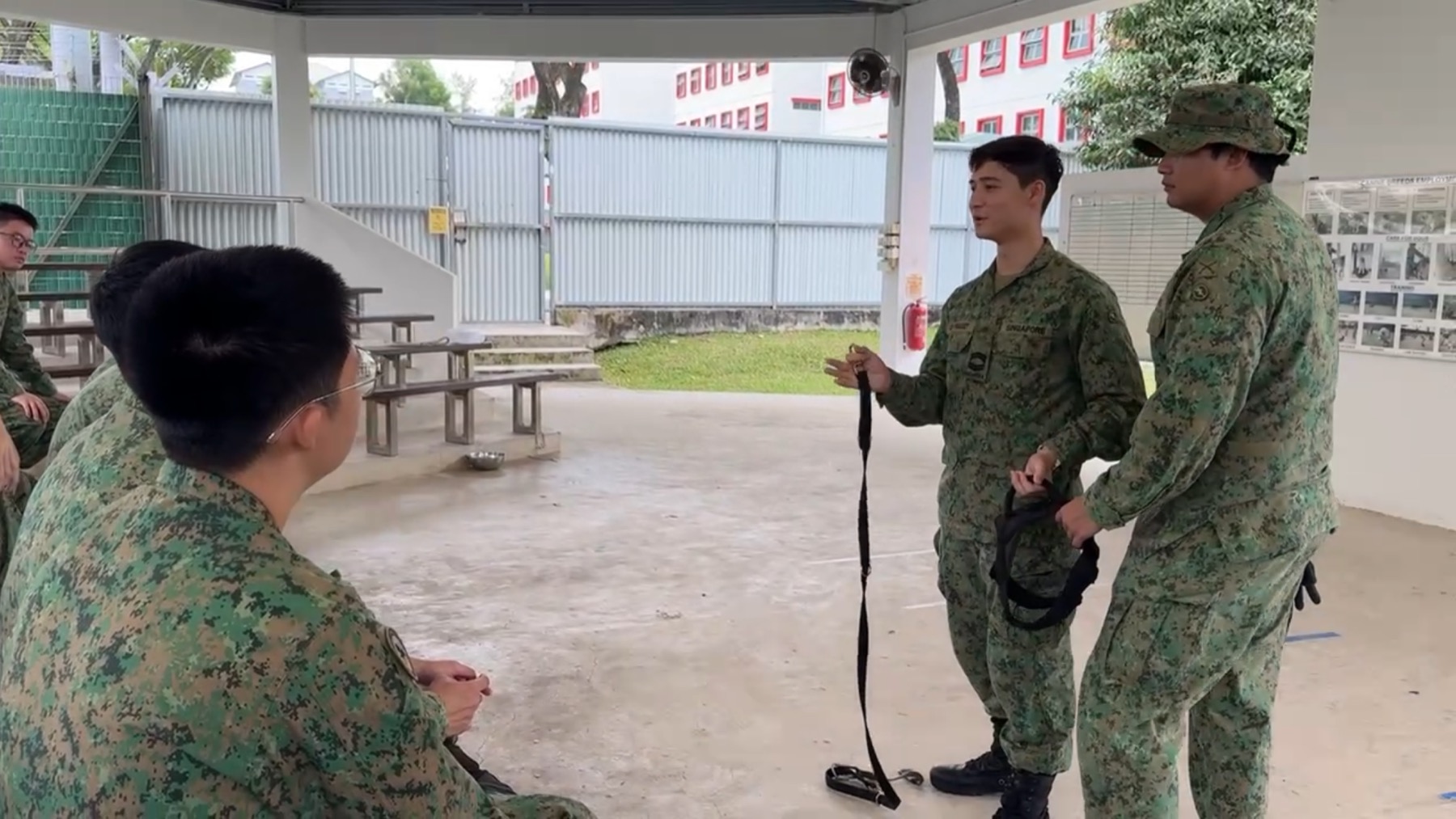
I moved from performing the standard to teaching it — guiding trainees through obedience, detection and safety while learning how differently people absorb pressure and feedback.
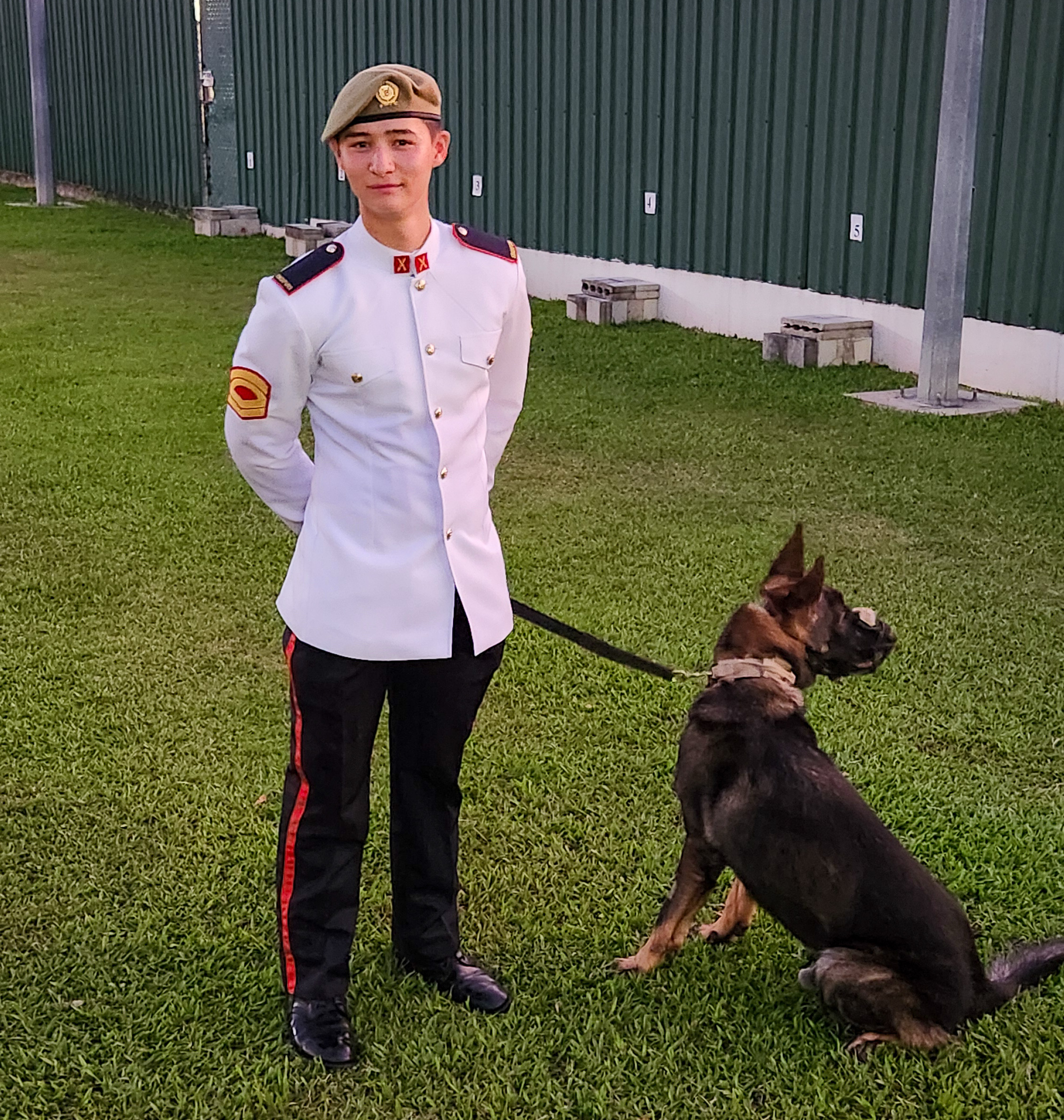
I led the Dog Handler Course and its instructor team, planned training to SAF standards and represented the unit in demonstrations for U.S. and Australian military delegations.
“Leadership was not being the loudest person in the room. It was making the standard clear, staying calm and taking responsibility for the outcome.”
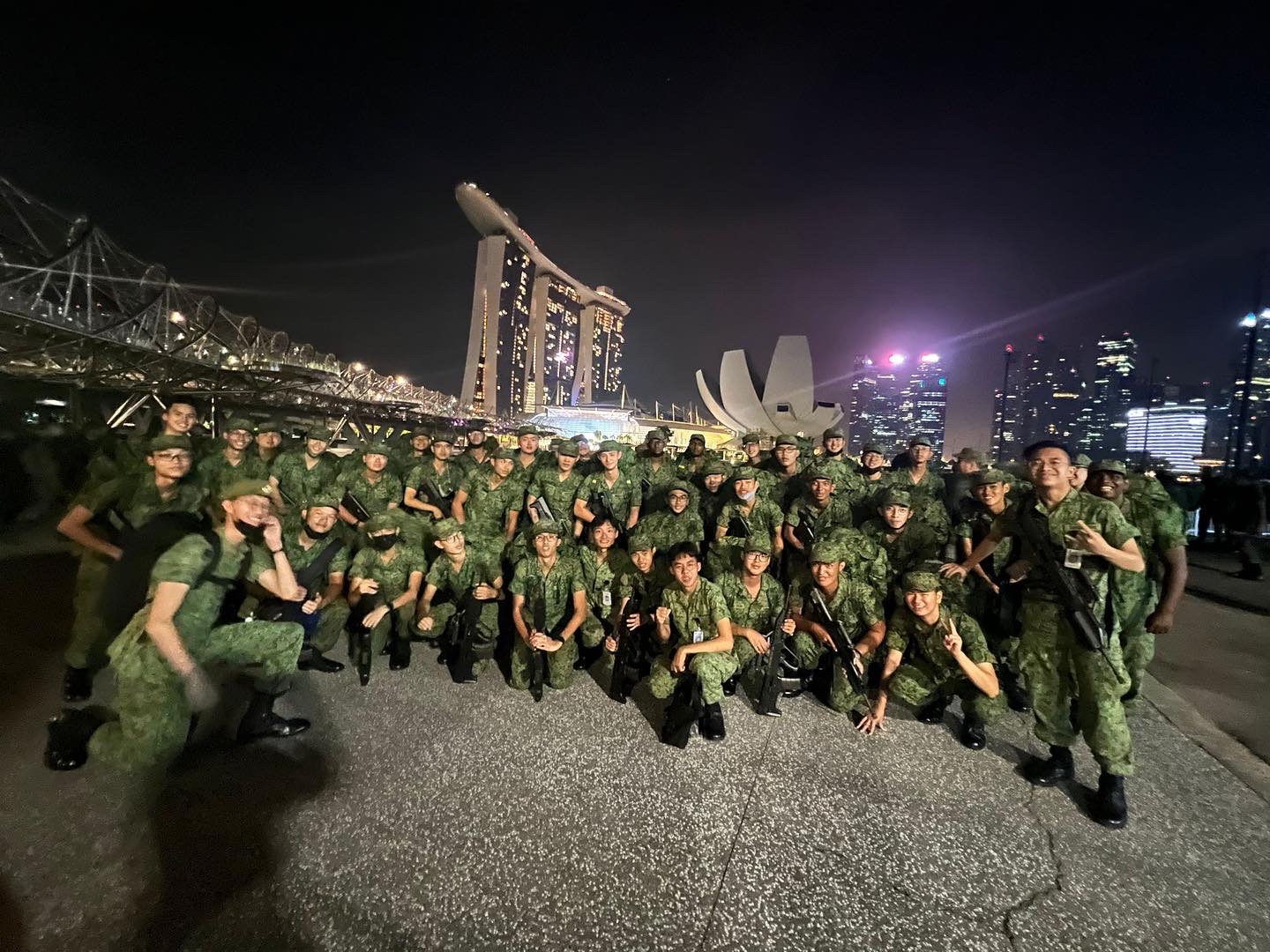
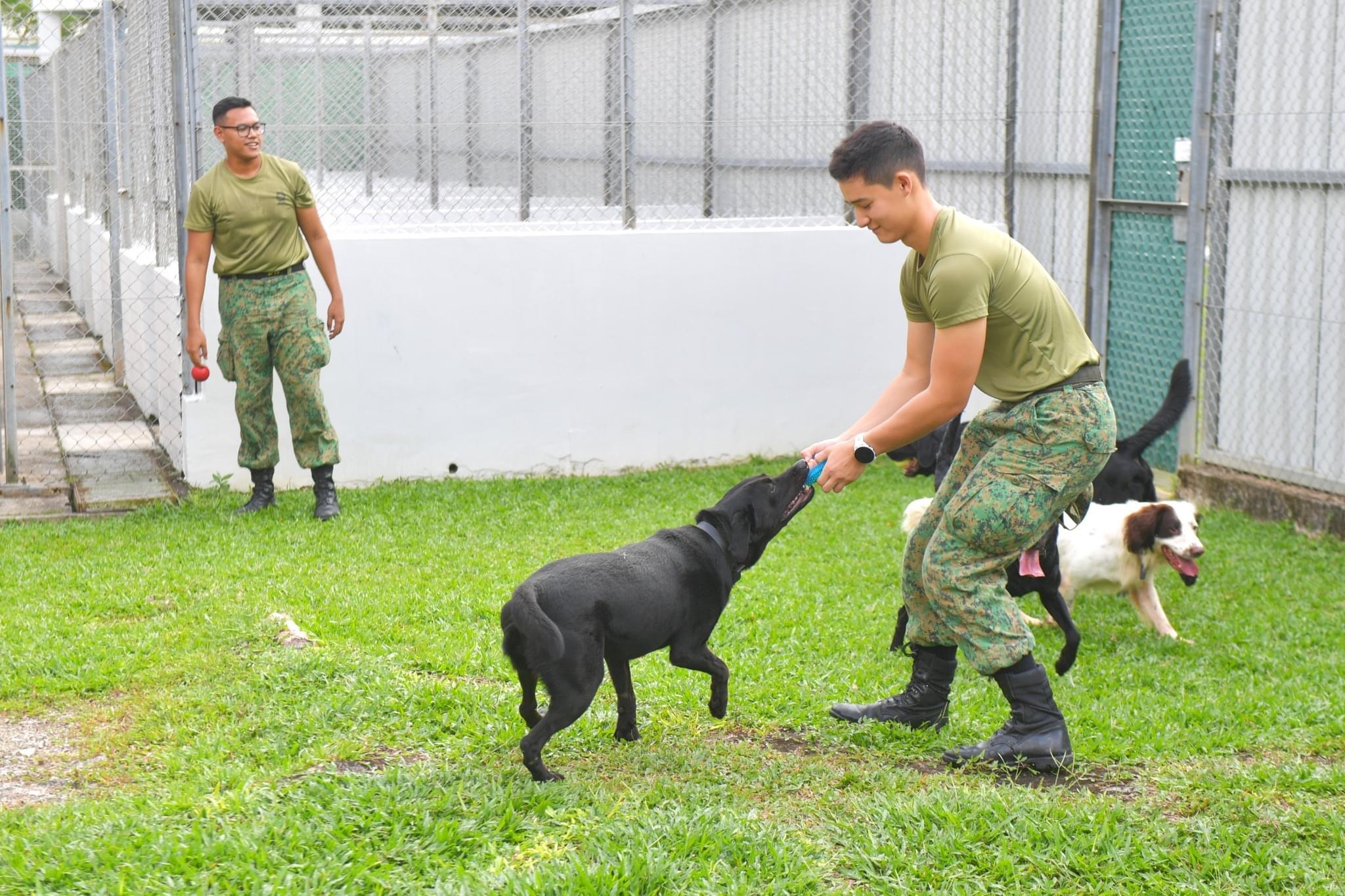
Service changed the way I approach technical work. I break unclear problems into trainable pieces. I prepare carefully, communicate directly and remain useful when the plan meets reality.
It is also why I care about building systems people can trust. Whether the user is a colleague, a customer or a trainee, reliability is a form of respect.
Continue to St Andrews